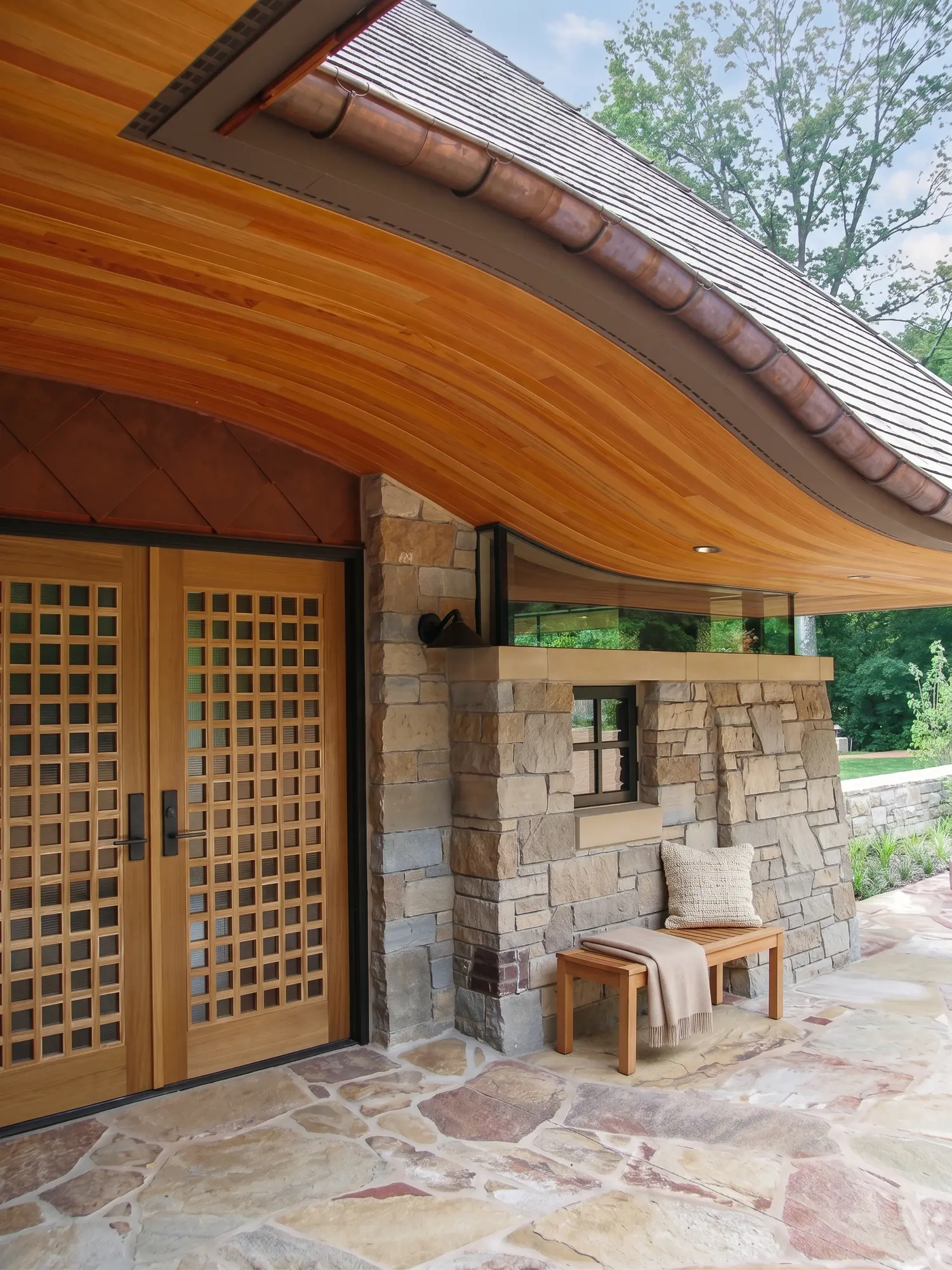
Most custom homes take two to three years from the first design meeting to move-in, and larger or more complex projects can take longer. That surprises many people, who often expect something closer to a year. Here is where the time goes, and how to keep your project moving.
A typical timeline
| Phase | Typical duration |
|---|---|
| Site selection and feasibility | 1–3 months (if you don’t yet own land) |
| Schematic design | 2–4 months |
| Design development | 2–5 months |
| Construction documents | 3–6 months |
| Permitting and approvals | 1–6+ months |
| Bidding and contractor selection | 1–3 months |
| Construction | 12–24 months |
Some phases overlap, and every project is different. A compact home on a flat lot with a quick approval can move much faster than a large hillside residence that needs design review and specialized engineering.
What happens in each phase
Design (roughly 6–12 months). This is where the house takes shape. The architect learns how you live, studies the site, and develops the concept, then refines floor plans, materials, structure, and details. Thoughtful design takes time, and this is the cheapest stage in which to make changes.
Construction documents. The detailed drawings and specifications the builder uses to price and construct the home. Complex custom details require more documentation, but a well-documented project is easier to build and less prone to costly surprises.
Permitting. Timing depends on your municipality. Some approve plans in weeks. Others, especially those with design review boards, historic districts, or environmental restrictions, may take many months.
Construction. A custom home is built with specialized craftsmen and custom materials, such as stonework, steel, glass, and millwork, and these take longer than standard production building. Weather and seasonal conditions matter too, particularly in cold climates.
What can speed things up
- Decide on a site early. Time spent searching for land delays everything else.
- Be clear about your goals and budget at the start. Redesigning to cut costs later is the most common cause of delay.
- Make decisions promptly. Design and construction both depend on timely feedback.
- Hire the builder early. Bringing a contractor in during design helps catch cost and scheduling issues before drawings are final.
- Order long-lead items early. Custom windows, specialty stone, and imported fixtures can have lead times of many months.
What commonly slows projects down
- Design changes after construction begins
- Permit or design-review delays
- Supply chain or labor shortages
- Weather, especially during foundation and framing
- Unexpected site conditions, such as rock, high water tables, or poor soils
- Late selection of finishes and fixtures
Is it faster to build a smaller or simpler house?
Usually, yes, though not as dramatically as people expect. A smaller home still needs full design, engineering, and approvals. Complexity, such as unusual structure, custom glazing, and difficult terrain, often affects the schedule more than square footage does.
Does building remotely take longer?
Not necessarily. A well-organized process with a strong local builder and regular communication keeps remote projects on pace. See our guide to working with an architect out of state.
Plan your timeline early
If you are thinking about building, the most useful step is a conversation about your site and goals before you commit to dates. Contact Bjella Architects to talk through what a realistic schedule looks like for your project, or learn more about our custom home design services.