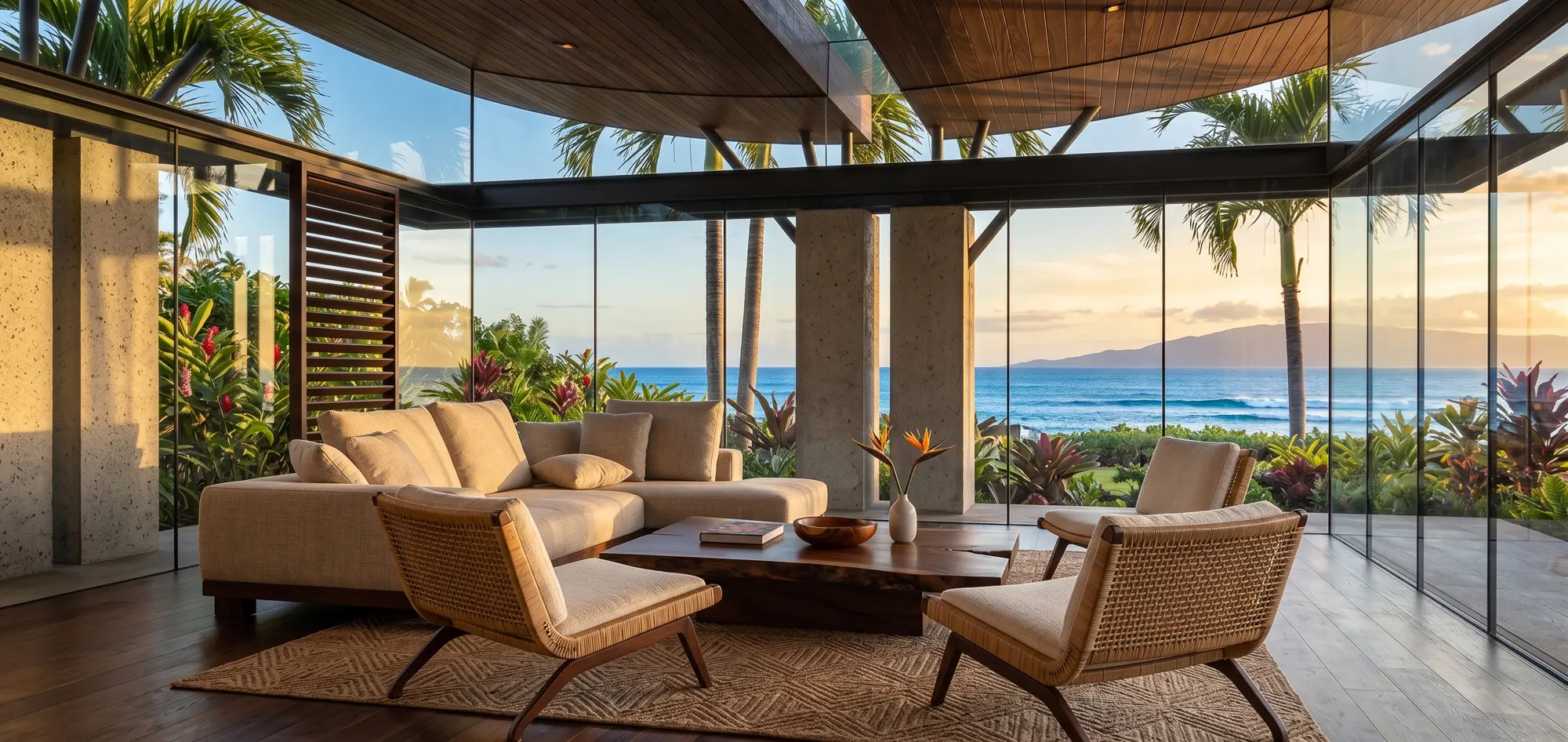
There is nothing quite like a home by the sea: open rooms, sea breezes, light bouncing off the water. But the coast is also a demanding environment, with wind, salt, storms, and strict regulations. The best beach houses are designed to enjoy the setting and withstand it.
Coastal regulations come first
Oceanfront and near-shore lots are usually subject to special rules. Depending on where you build, expect some combination of:
- Setbacks from the shoreline or a designated construction line
- Flood zone requirements that dictate how high the lowest floor must sit
- Wind design requirements for storms and hurricanes
- Dune and habitat protection
- Height limits and view-protection rules
- Lighting restrictions to protect wildlife such as nesting sea turtles
These rules differ by state and municipality. For a detailed example, see our guide to building a custom home in Florida.
Raise the house, and use what is underneath
In flood-prone coastal areas, homes are commonly lifted on piers, columns, or a podium. This protects the living spaces and can improve views and airflow. The space below is often used for parking, storage, or open-air gathering, so the elevation becomes a design opportunity rather than only a requirement.
Design for wind and storms
Coastal homes must resist strong winds and wind-borne debris. Typical strategies include impact-resistant glazing or shutters, a continuous structural load path from roof to foundation, carefully detailed roof edges, and robust connections. These measures can be integrated into contemporary designs. Modern glass-filled homes, like our Modern Glass Beach Home and the Miami Seashell House, show that strength and openness can coexist.
Frame the views and manage the sun
Ocean views are the point, but coastal sun and glare can be intense. Consider:
- Deep overhangs, louvers, and covered terraces for shade
- Low-E, impact-rated glass that controls heat while preserving the view
- Sightlines that keep the water visible from the main living areas, kitchen, and bedrooms
- Orientation that captures breezes and limits afternoon heat
Choose materials that handle salt and moisture
Salt air corrodes ordinary metals and wears down finishes quickly. Specify stainless steel or marine-grade hardware, corrosion-resistant fasteners, durable cladding, and protected finishes. Concrete, masonry, and quality composite or hardwood decking hold up well, and careful detailing keeps water out of the wall assembly. A beach house that ages well is chosen for durability first.
Live indoors and out
Beach life moves between the house and the outdoors: covered terraces, outdoor showers, pools, fire pits, and paths to the sand. Large openings, shaded porches, and outdoor kitchens extend the living area. Include places to rinse off sand and store gear, and plan landscaping that tolerates wind and salt.
Think about long-term costs
Insurance, maintenance, and resilience measures are part of the cost of coastal ownership. Design decisions about elevation, glazing, roofing, and materials all influence them. For a broader view, see how much it costs to build a custom home.
Frequently asked questions
Can a beach house be modern? Yes. With proper engineering, contemporary beach houses can have generous glass, open plans, and clean lines.
What is the biggest challenge of building on the coast? Typically the combination of regulations, flood and wind requirements, and construction logistics. Early research on the lot is essential.
Do I need a local team? Yes. Experienced local builders and engineers know the conditions and the permitting process. We coordinate with them on projects far from our studio.
If you have a coastal site in mind, contact Bjella Architects.